
Neuralink, Elon Musk's brainchild, secures $43M boost for brain implant innovation
Neuralink, Elon Musk's brain implant startup, raised USD 43 million in venture capital, totaling USD 323 million in funding. Established in 2016, Neuralink's innovative device implants ultra-thin threads in the brain, connecting to a specialised chip with electrodes for reading neuron group data.
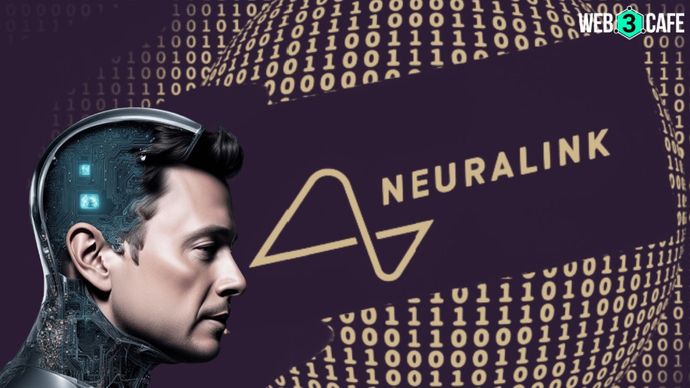
Highlights
- Elon Musk's brain implant startup Neuralink raises $43M
- Neuralink's innovative device implants ultra-thin threads in the brain
- It received FDA approval for human clinical trials earlier in May
Elon Musk's brain implant startup, Neuralink, has raised USD 43 million in fresh rounds propelling it closer to achieving its audacious goal. Neuralink's mission, to create a universal brain interface unlocking human potential, envisions a future where thoughts seamlessly translate into computer commands, creating human-machine hybrids.
This latest funding surge not only enhances Neuralink's financial standing but also accelerates its journey to empower individuals with unmet medical needs, aiming to enable those with paralysis to operate computers or phones through brain activity alone in the near future. Founded in 2016 by Elon Musk, the company has recently secured clearance for human trials.
The SEC filing revelation
This week’s SEC filing unveils Neuralink's impressive fundraising feat, led by Peter Thiel’s Founders Fund. A substantial increase from $280 million to $323 million in August involved participation from thirty-two investors. This surge emphasises the growing interest and confidence in Neuralink's vision and potential.
Valuation mystery
Despite the recent financial injection, Neuralink has kept its valuation under wraps. In June, Reuters reported an approximate $5 billion valuation after private stock trades. This financial ambiguity adds an intriguing layer to Neuralink's narrative.
Sewing machine-like implantation device
Neuralink's ingenious sewing machine-like device is a marvel of innovation. It delicately implants ultra-thin threads into the brain, attaching them to a custom-designed chip equipped with electrodes. This chip holds the key to reading information from groups of neurons.
Wireless implants and increased electrodes
While brain-signal-reading implants have a longstanding history, Neuralink disrupts the norm by making them wireless and enhancing the number of implanted electrodes. This innovation is a pivotal step towards achieving seamless integration between technology and the human brain.
Clinical trials and FDA approval
May marked a significant milestone for Neuralink as it received FDA approval for human clinical trials. This approval, following a prior rejection, allowed the company to embark on its first human trials under an investigational device exemption granted by the FDA.
Scrutiny and controversies
Neuralink faces allegations of a toxic workplace culture, as reported in a January 2022 Fortune article. Former employees describe a culture of blame and fear, with Elon Musk's direct involvement in addressing complaints contributing to internal conflicts.
Ethical concerns in animal testing
In 2022, the Physicians Committee for Responsible Medicine (PCRM) accused Neuralink and its former research partner, UC Davis, of mistreating monkeys during testing. Rushed timelines demanded by Musk for fast results, resulted in complications, including partial paralysis and brain swelling.
Federal investigations and lawmakers' inquiry
For nearly a year, Neuralink underwent a federal investigation by the U.S. Department of Agriculture (USDA) concerning animal welfare violations. While the USDA found no evidence except for a self-reported incident in 2019, the PCRM disputed the investigation's results.
Despite its remarkable technological strides, Neuralink faces formidable challenges in navigating ethical concerns and workplace culture. The journey toward seamlessly integrating technology with the human brain is both awe-inspiring and fraught with controversy.


